
With Type 2 Diabetes
I struggle with gaining weight despite proper eating and exercise
GIP May Impact Weight Regulation*
Dysregulation within the CNS may contribute to increased calorie intake1,2
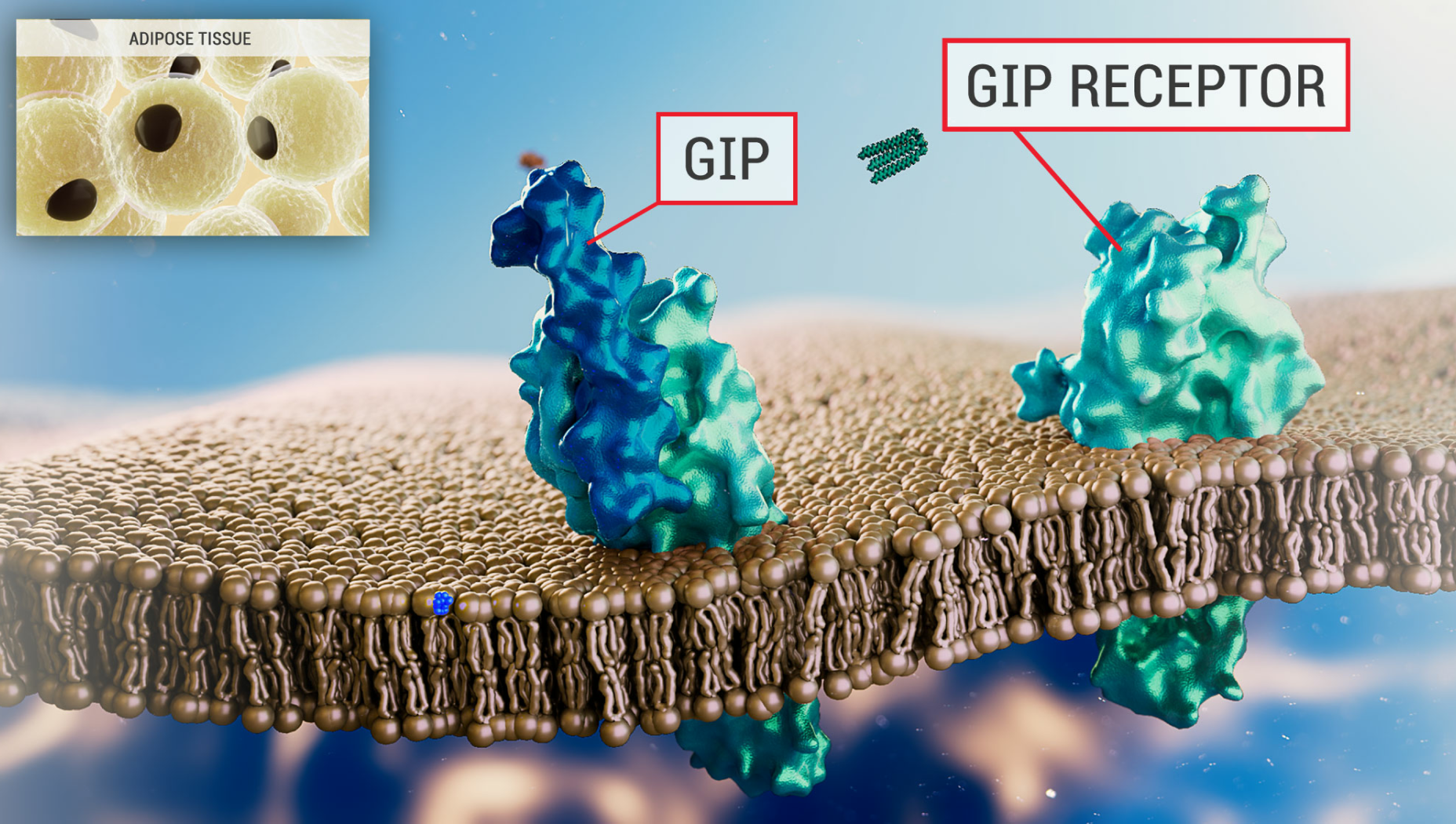
GIP receptors are present in areas of the CNS thought to be responsible for the regulation of body weight through mechanisms of appetite and food intake2-5
*Based on preclinical studies
GIP receptors in the CNS may be associated with weight regulation2,3
GIP receptors are found within the brain and, in preclinical studies, have been shown to act on appetite control centers, potentially helping to reduce caloric consumption1-3
Activated GIP Receptors In The Hypothalamus

It's time to discuss why managing
T2D early is so important
Learn more from the experts
CNS=central nervous system; GIP=Glucose-Dependent Insulinotropic Polypeptide; T2D=Type 2 Diabetes.
References
- Adriaenssens AE, Gribble FM, Reimann F. The glucose-dependent insulinotropic polypeptide signaling axis in the central nervous system. Peptides. 2020;125(3):170194. doi:10.1016/j.peptides.2019.170194
- Adriaenssens AE, Biggs EK, Darwish T, et al. Glucose-dependent insulinotropic polypeptide receptor-expressing cells in the hypothalamus regulate food intake. Cell Metab. 2019;30(5):987-996.e6. doi:10.1016/j.cmet.2019.07.013
- Nauck MA, Meier JJ. Incretin hormones: Their role in health and disease. Diabetes Obes Metab. 2018 Feb;20 Suppl 1:5-21.
- DeFronzo, R.A. Insulin resistance, lipotoxicity, type 2 diabetes and atherosclerosis: the missing links. The Claude Bernard Lecture 2009. Diabetologia 53, 1270-1287 (2010).
- Finan B, Müller TD, Clemmensen C, et al. Reappraisal of GIP pharmacology for metabolic diseases. Trends Mol Med. 2016;22(5):359-376. doi:10.1016/j.molmed.2016.03.005